










Understanding FODMAPs: A Comprehensive Guide to Digestive Health and the Low FODMAP Diet
FODMAPs, a carbohydrate type found in some foods, provide energy, like fat and protein. A low FODMAP diet may alleviate irritable bowel syndrome (IBS) symptoms.
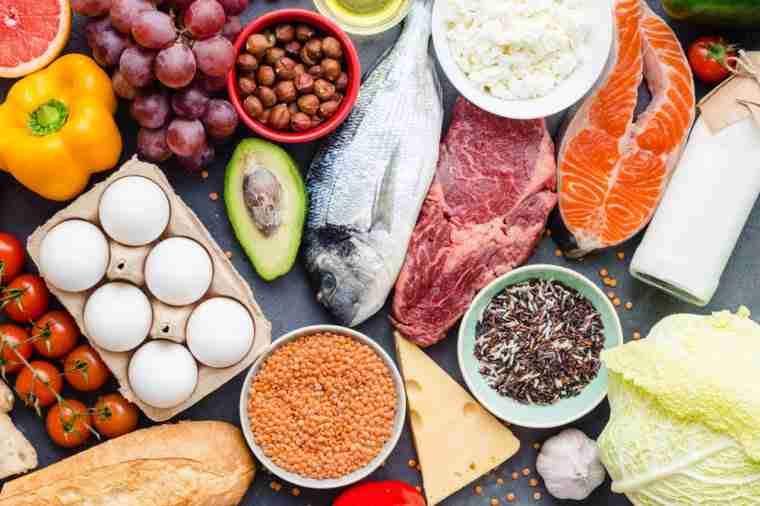
Protein is indeed a crucial component of a healthy diet. It consists of amino acids, which are the building blocks necessary for various functions in the body. Some key functions of protein in our body: Muscle and Bone Health: Regular protein intake supports muscle growth, maintenance, and overall strength. Hormone and Enzyme Production: Proteins are …
Fat, along with proteins and carbohydrates, constitutes one of the three primary macronutrients. In comparison to carbohydrates, fats provide a greater amount of energy. They serve as a crucial means of storing energy for later use. Various examples of fatty foods include milk, cheese, butter, cream, ghee, vegetable oils, meat, and fish liver oil. Some …
Carbohydrates, classified as macronutrients, serve as one of the primary sources of energy for our bodies alongside proteins and fats. These vital nutrients include sugars, fibers, and starches and can be sourced from a variety of foods such as grains, vegetables, fruits, as well as milk and dairy products. As a fundamental food group, carbohydrates …
Breakfast is suggested as a healthy and important meal than others. It can help us to lose weight, and skipping it can raise our risk of obesity.
Opting for a low-protein diet can alleviate the strain on the kidneys, allowing the healthier portion of the kidneys to operate with less effort.
A bland diet consists of soft, mildly seasoned, and low-fiber foods. It is typically recommended for individuals experiencing digestive issues.
Magnesium exists naturally in numerous food sources, can be obtained as a supplement, and is utilized as an ingredient in antacids and laxatives. This mineral holds significant significance as it aids over 300 enzymes in facilitating diverse chemical reactions within the body. Some key functions of magnesium: Energy production: Magnesium is a cofactor in many …
Iron is an essential mineral necessary for the growth and development of the body. It plays a vital role in the production of hemoglobin, a protein found in red blood cells that transports oxygen from the lungs to every corner of the body. Additionally, iron is crucial for the synthesis of myoglobin, a protein that …
Iodine is a crucial trace mineral that the body does not produce on its own, therefore it must be acquired through food or supplements. It occurs naturally in certain foods and is also added to supplements and certain salt seasonings. Iodine plays a vital role in the production of thyroid hormones, specifically thyroxine and triiodothyronine. …
Calcium, a mineral primarily linked to the well-being of bones and teeth, serves multiple crucial functions. Apart from promoting skeletal strength, it plays a vital role in facilitating blood clotting, enabling muscle contractions, and maintaining optimal heart rhythms and nerve functions. Some key functions of calcium: Bone and teeth health: Calcium is crucial for the …
Zinc, an essential nutrient present in your body, plays a crucial role in supporting your immune system and metabolism. Additionally, zinc is vital for promoting wound healing and maintaining your sense of taste and smell. Typically, a diverse diet ensures an adequate intake of zinc for your body. Some key functions of zinc: Enzyme Activity: …
Folate, an essential B-vitamin, occurs naturally in numerous food sources. It plays a crucial role in DNA synthesis and the production of genetic material within your body. Additionally, folate is necessary for cell division. Folic acid, a specific form of folate, is commonly added to fortified foods and is a prevalent ingredient in most dietary …
Niacin, also known as vitamin B-3, is an essential nutrient synthesized and utilized by the body to convert food into energy. It plays a vital role in maintaining the health of the nervous system, digestive system, and skin. Some key functions of niacin (Vitamin B3): Energy production: Niacin is a crucial component of the coenzymes …
Riboflavin, commonly known as vitamin B2, is part of a group of eight essential B vitamins. The primary function of B vitamins is to facilitate the conversion of carbohydrates into glucose, the body’s main source of energy. Additionally, these B-complex vitamins play a crucial role in metabolizing fats and proteins. Some key functions of riboflavin …